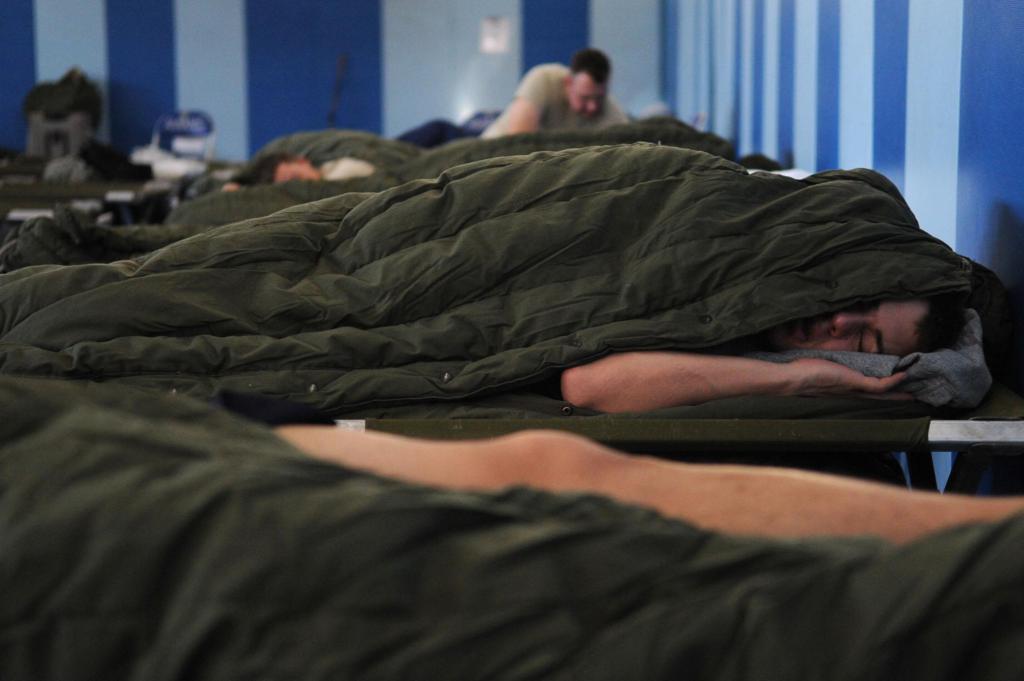
After an extensive review of the Defense Medical Epidemiological Database, an online system containing inpatient and outpatient records for active-duty military personnel, researchers found both insomnia and sleep apnea are on the rise based on data from 2005 to 2014, according to the Journal of Sleep Research.
“Sleep disorders are a serious problem that interferes with the ability of soldiers to do their jobs effectively,” senior study author Harris Lieberman of the U.S. Army Research Institute of Environmental Medicine in Natick, Massachusetts, told Reuters.
According to the study, insomnia is more prevalent among senior enlisted personnel and those serving in the Army. Sleep apnea is more prevalent in senior officers, with senior enlisted following close behind and Army soldiers.
Sleep apnea had the greatest increase from 44 per 1,000 patients in 2005 to 273 per 1,000 patients in 2014. Medical visits for insomnia also increased from 16 per 1,000 patients in 2005 to 75 per 1,000 patients in 2014.
“Problems with insomnia in the military is well-known, but we had no idea that sleep apnea had increased so dramatically,” Lieberman said. “We’ve had anecdotal information from talking to soldiers, but this was a new opportunity to look at the whole Defense Department.”
Research shows insomnia and sleep apnea rates are on the rise in the military