-

New lab offers generative AI for defense wargaming
The hope is that AI players are realistic enough to facilitate the creation of multiple strategies during a wargaming exercise.
-

Can a tabletop game explain why America lost the Vietnam War?
Fifty years after the last U.S. helicopters left Saigon, why America lost the Vietnam War is elusive. But can a tabletop wargame offer insight?
-
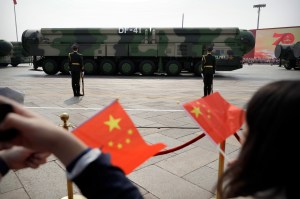
China’s military may discard its rigid command structure, report warns
A new Rand report explores the prospect of China embracing the more flexible Western concept of mission command and what that means for U.S. strategy.
-
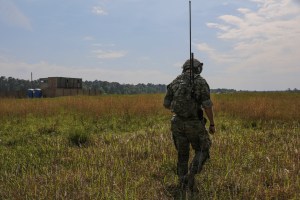
To coordinate strikes from space, US needs space JTACs, experts argue
Soon after planes were first used in war, there were specialists on the ground coordinating strikes. Space-based weapons could one day yield new observers.
-
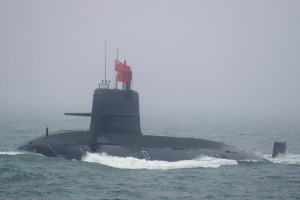
China and Russia conduct joint sub patrols — should America worry?
While the exercise only involved two subs, the warning was clear: America should contemplate the prospect of confronting a China-Russia alliance.
-

Ocean isn’t free-fire zone for US military drug interdiction: Analysis
A Center for International and Strategic Studies analysis warns that the Trump administration’s use of strikes on alleged drug vessels poses serious risks.
-
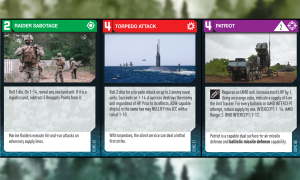
What if Russia invades the Baltic? A tabletop game offers answers
“Littoral Commander: The Baltic” depicts a Russian invasion of the Baltic region around 2030.
-
Attacking these targets could cripple Russia’s war machine: Experts
Striking eight targets across Russia could enable Ukraine to break the current stalemate and affect the course of the war, some U.S. experts argue.
-
Should America’s military plan for a retreat from the Pacific?
In the face of growing Chinese military power, America needs to relearn how to conduct a fighting retreat in the Pacific, a U.S. Army officer warns.
-
China’s military wants to target US undersea sensor network: Analysis
Chinese experts believe that “the U.S. undersea surveillance system suffers from a number of vulnerabilities,” according to a U.S. Naval College professor.
-
New lab offers generative AI for defense wargaming
The hope is that AI players are realistic enough to facilitate the creation of multiple strategies during a wargaming exercise.
-
Can a tabletop game explain why America lost the Vietnam War?
Fifty years after the last U.S. helicopters left Saigon, why America lost the Vietnam War is elusive. But can a tabletop wargame offer insight?
-
China’s military may discard its rigid command structure, report warns
A new Rand report explores the prospect of China embracing the more flexible Western concept of mission command and what that means for U.S. strategy.
-
To coordinate strikes from space, US needs space JTACs, experts argue
Soon after planes were first used in war, there were specialists on the ground coordinating strikes. Space-based weapons could one day yield new observers.
-
China and Russia conduct joint sub patrols — should America worry?
While the exercise only involved two subs, the warning was clear: America should contemplate the prospect of confronting a China-Russia alliance.
-
Ocean isn’t free-fire zone for US military drug interdiction: Analysis
A Center for International and Strategic Studies analysis warns that the Trump administration’s use of strikes on alleged drug vessels poses serious risks.
-
What if Russia invades the Baltic? A tabletop game offers answers
“Littoral Commander: The Baltic” depicts a Russian invasion of the Baltic region around 2030.
-
Attacking these targets could cripple Russia’s war machine: Experts
Striking eight targets across Russia could enable Ukraine to break the current stalemate and affect the course of the war, some U.S. experts argue.
-
Should America’s military plan for a retreat from the Pacific?
In the face of growing Chinese military power, America needs to relearn how to conduct a fighting retreat in the Pacific, a U.S. Army officer warns.
-
China’s military wants to target US undersea sensor network: Analysis
Chinese experts believe that “the U.S. undersea surveillance system suffers from a number of vulnerabilities,” according to a U.S. Naval College professor.
-

New lab offers generative AI for defense wargaming
The hope is that AI players are realistic enough to facilitate the creation of multiple strategies during a wargaming exercise.
-

Can a tabletop game explain why America lost the Vietnam War?
Fifty years after the last U.S. helicopters left Saigon, why America lost the Vietnam War is elusive. But can a tabletop wargame offer insight?
-
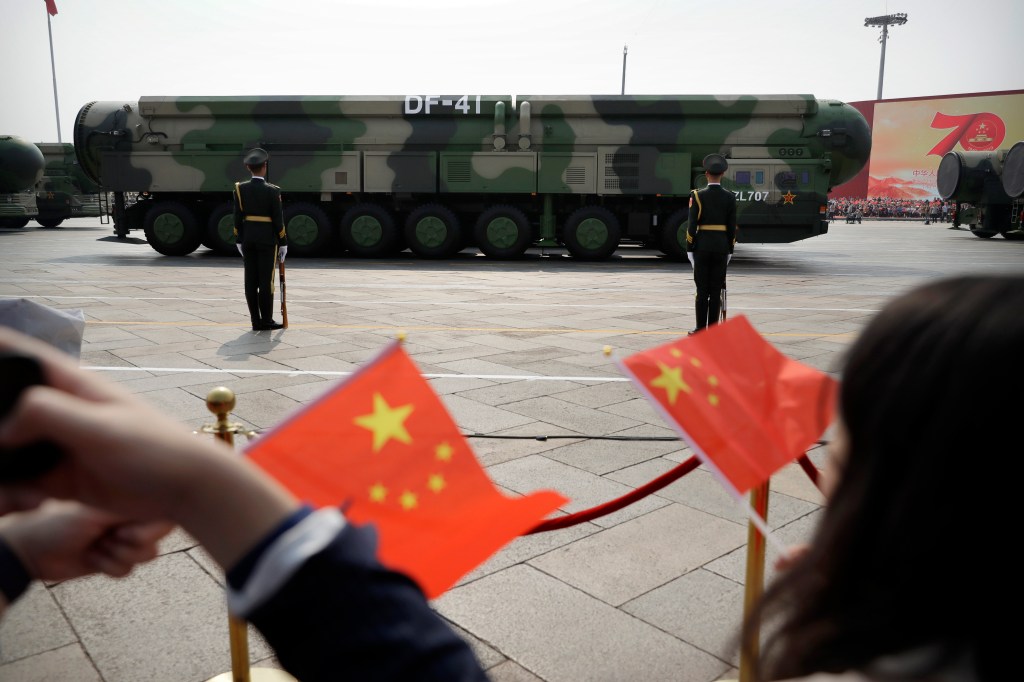
China’s military may discard its rigid command structure, report warns
A new Rand report explores the prospect of China embracing the more flexible Western concept of mission command and what that means for U.S. strategy.
-
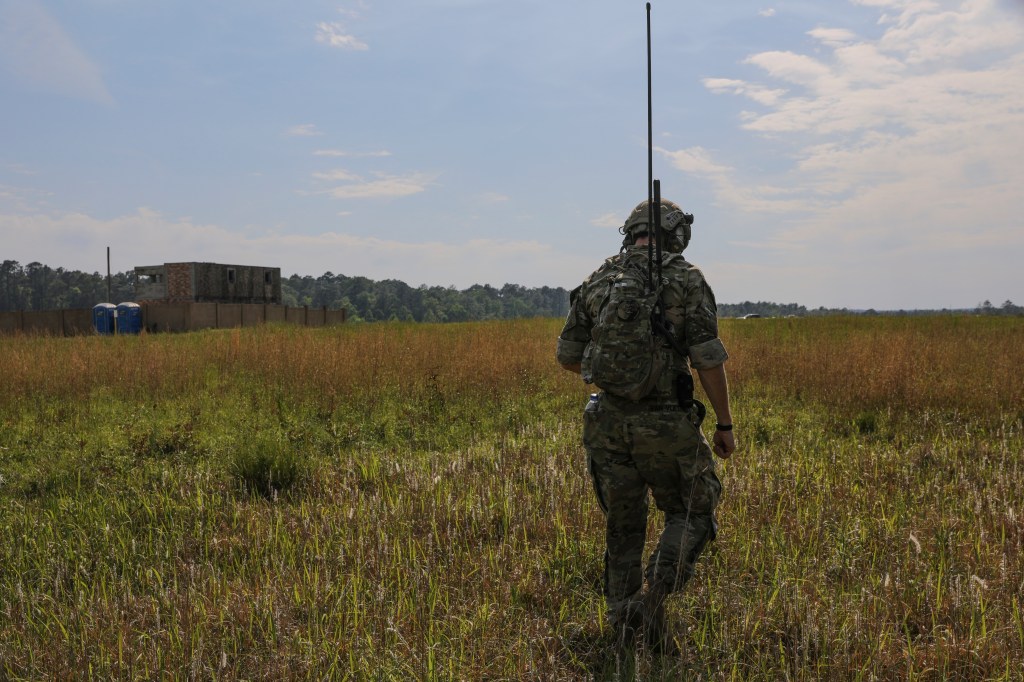
To coordinate strikes from space, US needs space JTACs, experts argue
Soon after planes were first used in war, there were specialists on the ground coordinating strikes. Space-based weapons could one day yield new observers.
-
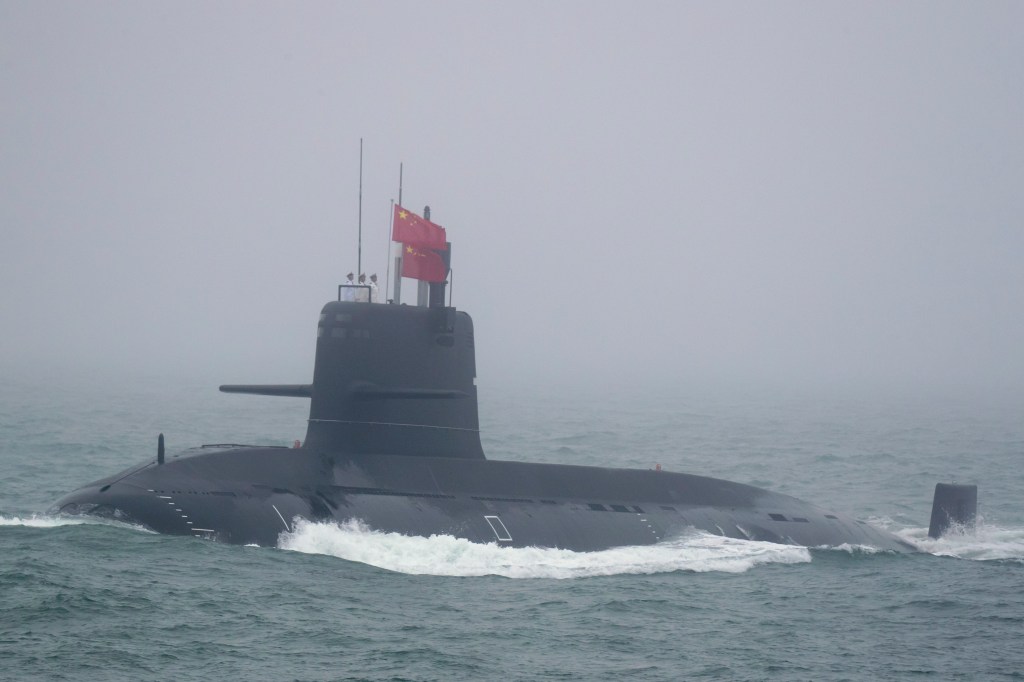
China and Russia conduct joint sub patrols — should America worry?
While the exercise only involved two subs, the warning was clear: America should contemplate the prospect of confronting a China-Russia alliance.
-
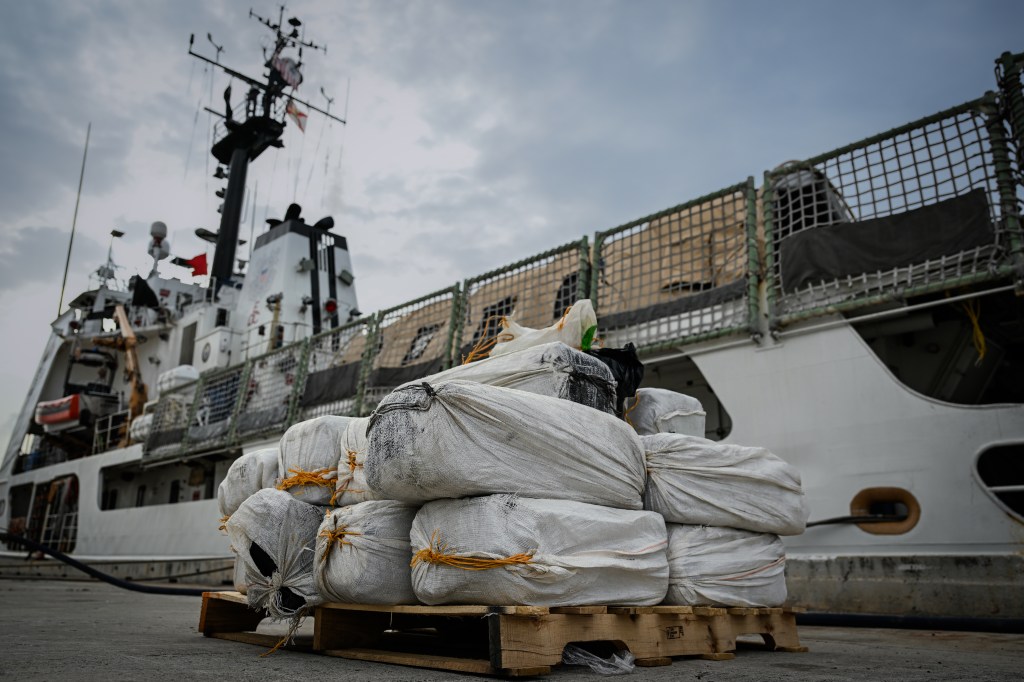
Ocean isn’t free-fire zone for US military drug interdiction: Analysis
A Center for International and Strategic Studies analysis warns that the Trump administration’s use of strikes on alleged drug vessels poses serious risks.
-
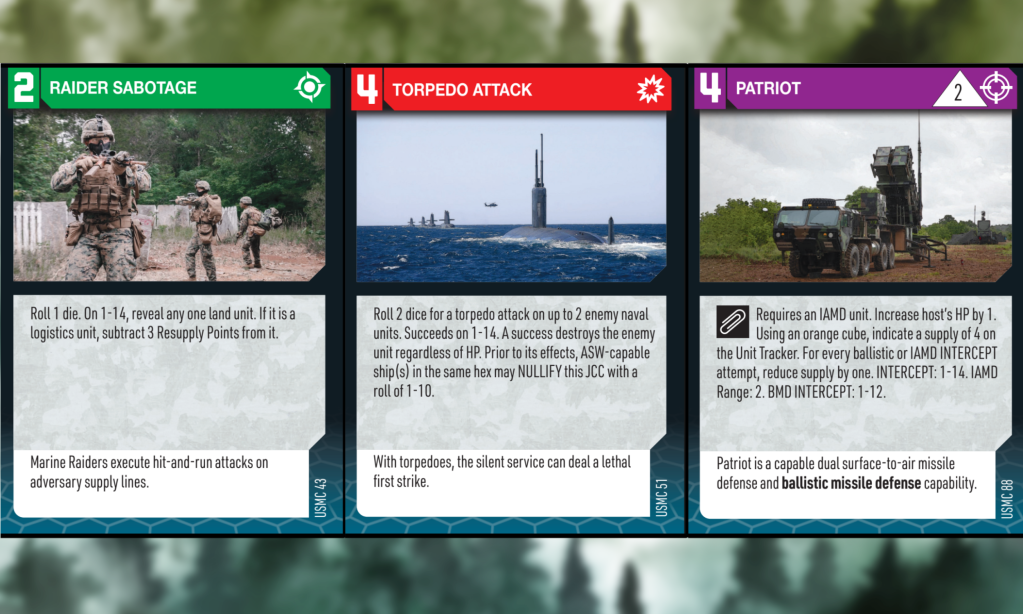
What if Russia invades the Baltic? A tabletop game offers answers
“Littoral Commander: The Baltic” depicts a Russian invasion of the Baltic region around 2030.
-
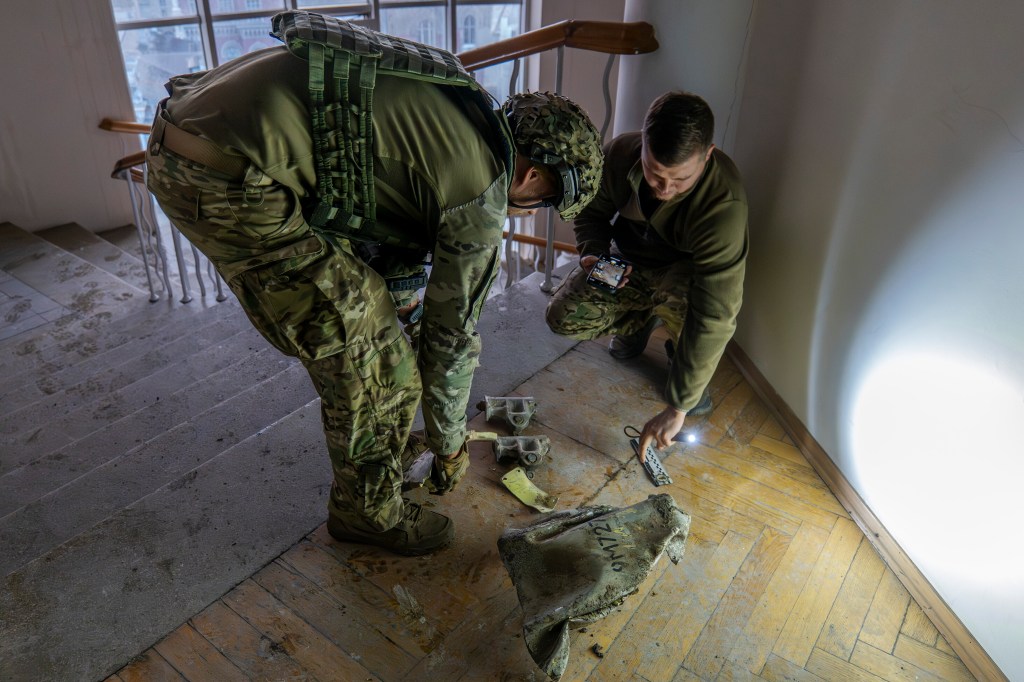
Attacking these targets could cripple Russia’s war machine: Experts
Striking eight targets across Russia could enable Ukraine to break the current stalemate and affect the course of the war, some U.S. experts argue.
-
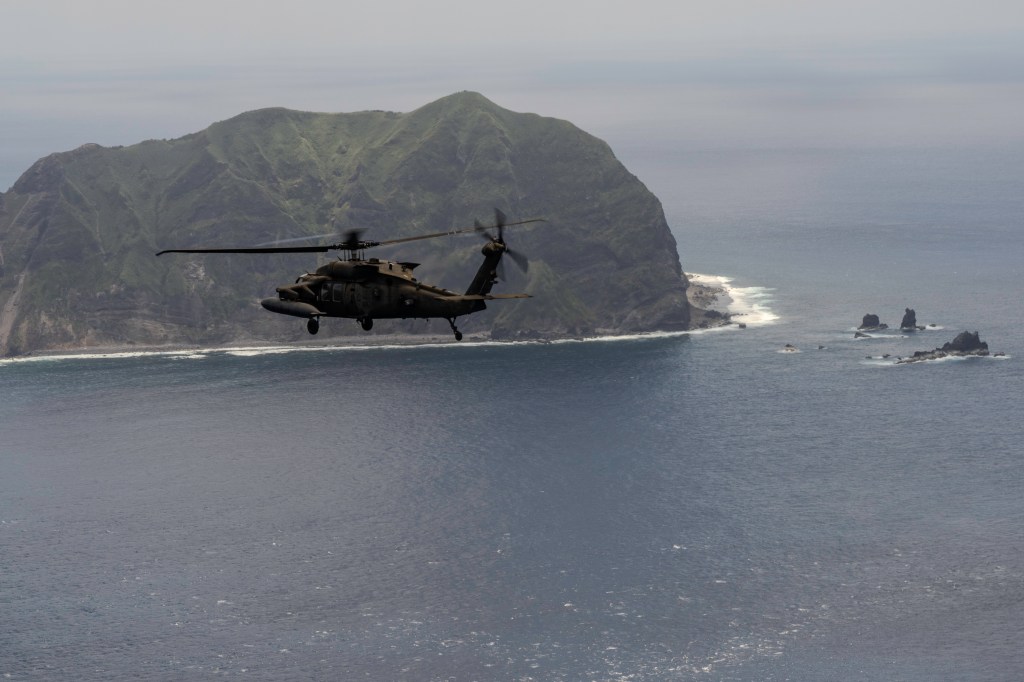
Should America’s military plan for a retreat from the Pacific?
In the face of growing Chinese military power, America needs to relearn how to conduct a fighting retreat in the Pacific, a U.S. Army officer warns.
-
China’s military wants to target US undersea sensor network: Analysis
Chinese experts believe that “the U.S. undersea surveillance system suffers from a number of vulnerabilities,” according to a U.S. Naval College professor.