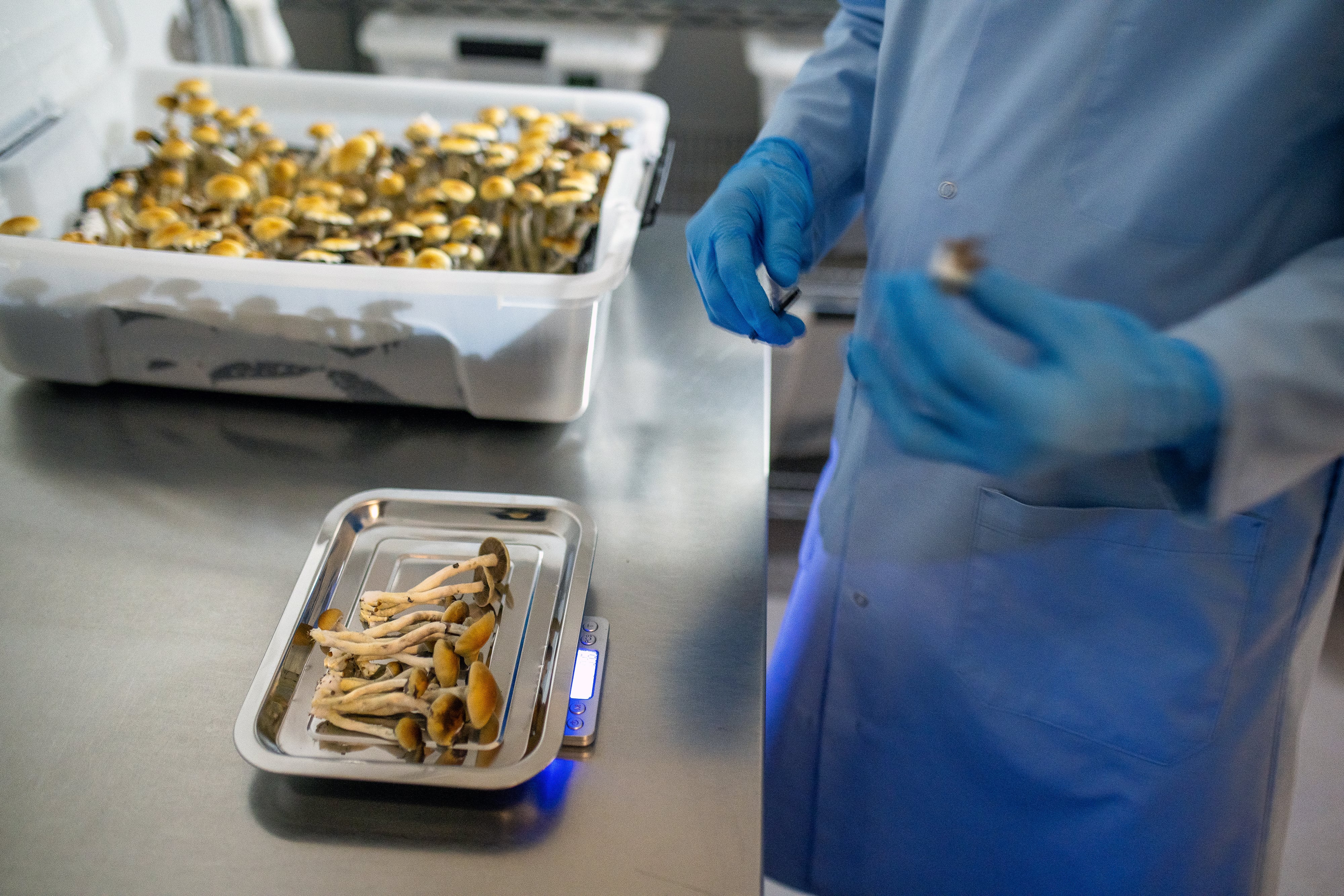
The Department of Veterans Affairs is launching research to determine whether psilocybin — the psychoactive ingredient in “magic mushrooms” — can be used safely and effectively to address veterans’ treatment-resistant depression and post-traumatic stress disorder.
The trial, known as the Psilocybin Intervention for Veterans Overcoming Treatment-Resistant Depression,” or PIVOT, study aims to include at least 240 veterans, all of whom have difficult-to-treat major depressive disorder and some who also have PTSD.
The study will take place at five VA medical centers through June 2031 and will assess patients’ levels of depression before and after treatment, side effects and overall response among participants.
“Far too many veterans are living with mental health conditions that don’t respond to available treatments,” VA Secretary Doug Collins said in a statement. “Under President [Donald] Trump, VA is pursuing all avenues to evaluate new treatments and offer meaningful relief for those who have worn the uniform. This clinical trial reflects another step toward this goal.”
Last month, researchers with Ohio State University’s Center for Psychedelic Drug Research and Education published the findings of a small, 12-person study on the safety of using psilocybin to treat severe PTSD in veterans.
After receiving eight hours of psychotherapy and two doses of synthetic psilocybin and integrative therapy, nine participants, or 75%, no longer met the clinical criteria for having PTSD.
According to the research, published July 30 in Communications Medicine, participants showed no serious adverse effects, including suicidal ideation or behavior. Non-serious side effects included headache, anxiety and dizziness.
“For a population with severe treatment-resistant PTSD, these results are striking,” said Stacey Armstrong, associate director and senior researcher at the center.
The PIVOT study will involve veterans with major depressive disorder who have not responded to current treatments, including those with or without a diagnosis of PTSD. In the double-blind, randomized trial, veterans will receive one dose of psilocybin or a placebo, along with therapeutic support. They will receive a second dose one month later, also with support, and will be evaluated two to four weeks following each session.
They also will receive follow-up six months after their participation.
VA officials said for the study, they will use pharmaceutical-grade drugs and treat veterans in a “safe, controlled, clinical setting.”
The five VA facilities that are slated to host the research include: the Birmingham VA Health Care System and Tuscaloosa VA Medical Center, Alabama; the VA Portland Health Care System, Oregon; Cpl. Michael Crescenz VA Medical Center, Philadelphia; and VA Puget Sound Health Care System, Seattle.
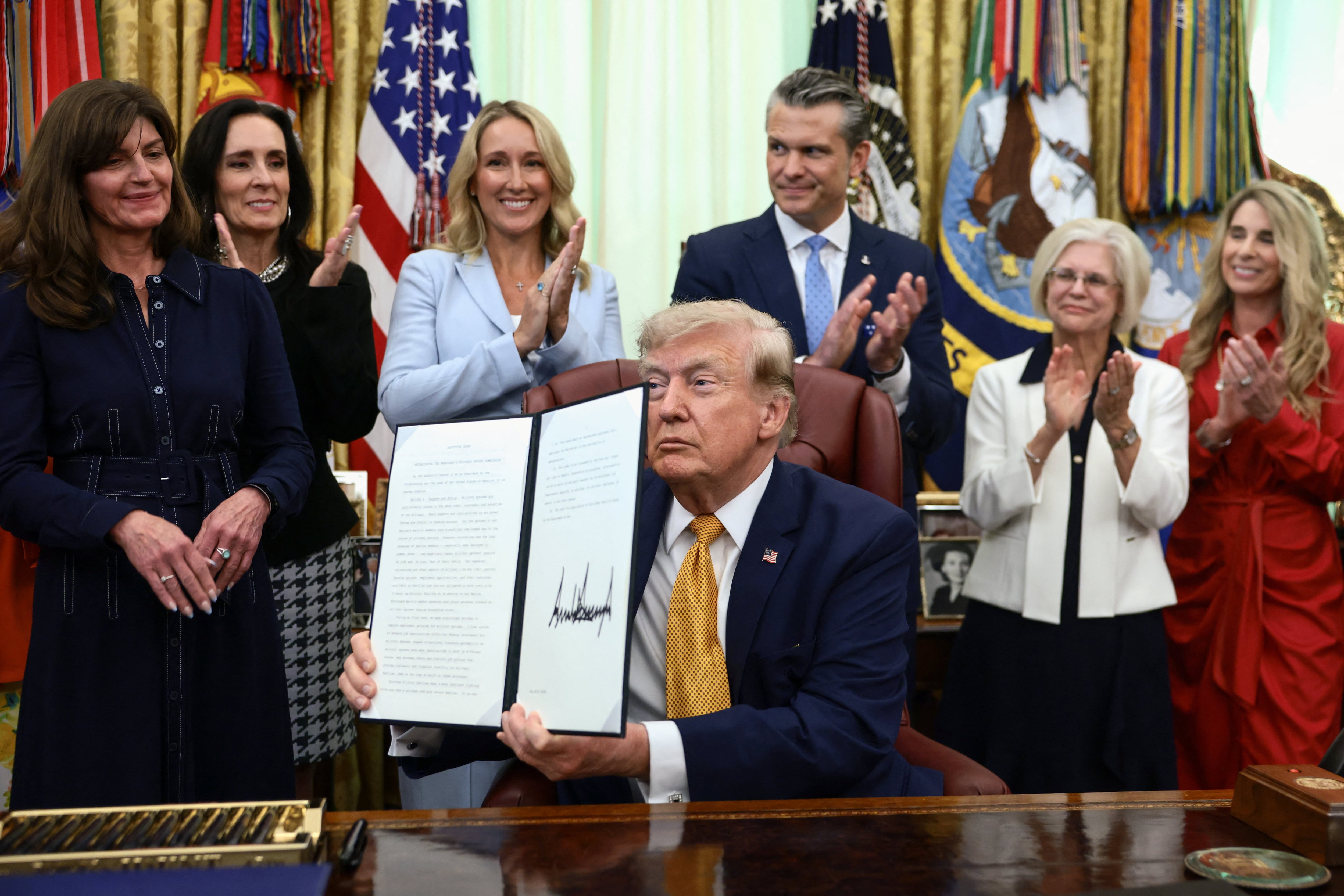
Trump signed an executive order in April directing the Food and Drug Administration to accelerate the review of some psychedelic therapies to treat mental health conditions. The order also required the FDA, the Department of Health and Human Services and the VA to collaborate on psychedelic research.
As a result of the order, HHS and the VA signed an agreement last month to increase coordination on research, including increasing clinical trial participation, training therapists, nurses and doctors to administer psychedelic medications if they are approved and collecting data and evidence to support patients, physicians and federal regulators.
According to the VA, its staff is involved in 20 current clinical trials focused on psychedelic treatments for mental health conditions, including MDMA and LSD.
RELATED
Studies sponsored by the Multidisciplinary Association of Psychedelic Studies have shown that 87% of veteran participants in a study on the use of MDMA — the chemical compound known recreationally as Ecstasy or Molly — had significant improvement in PTSD symptoms four months after receiving treatments, and 71% no longer met the diagnostic criteria for PTSD at the end of the studies.
The advancement of MDMA as a treatment met a setback in 2024, however, when the Food and Drug Administration rejected an application to approve it as a PTSD treatment, requesting more research on its safety and efficacy.
VA officials said in a release on the PIVOT study Wednesday that they strongly discourage self-medication, and veterans should not “replace other mental health treatment options with psychedelics or any other unprescribed substances.”
“Proven, evidence-based treatments are currently available at VA facilities to treat Veterans with mental health conditions,” they wrote.
Patricia Kime is a senior writer covering military and veterans health care, medicine and personnel issues.