As supporters of the Taking Care of America’s Veterans Act defend the legislation as the best chance in years to pass more than 60 veterans bills, the committee’s top Democrat says Congress should be prepared to abandon the omnibus altogether if lawmakers cannot agree on how to pay for it.
Years of bipartisan work on the Major Richard Star Act and dozens of other veterans bills could take a different path if it doesn’t get the votes needed on the senate floor this week.
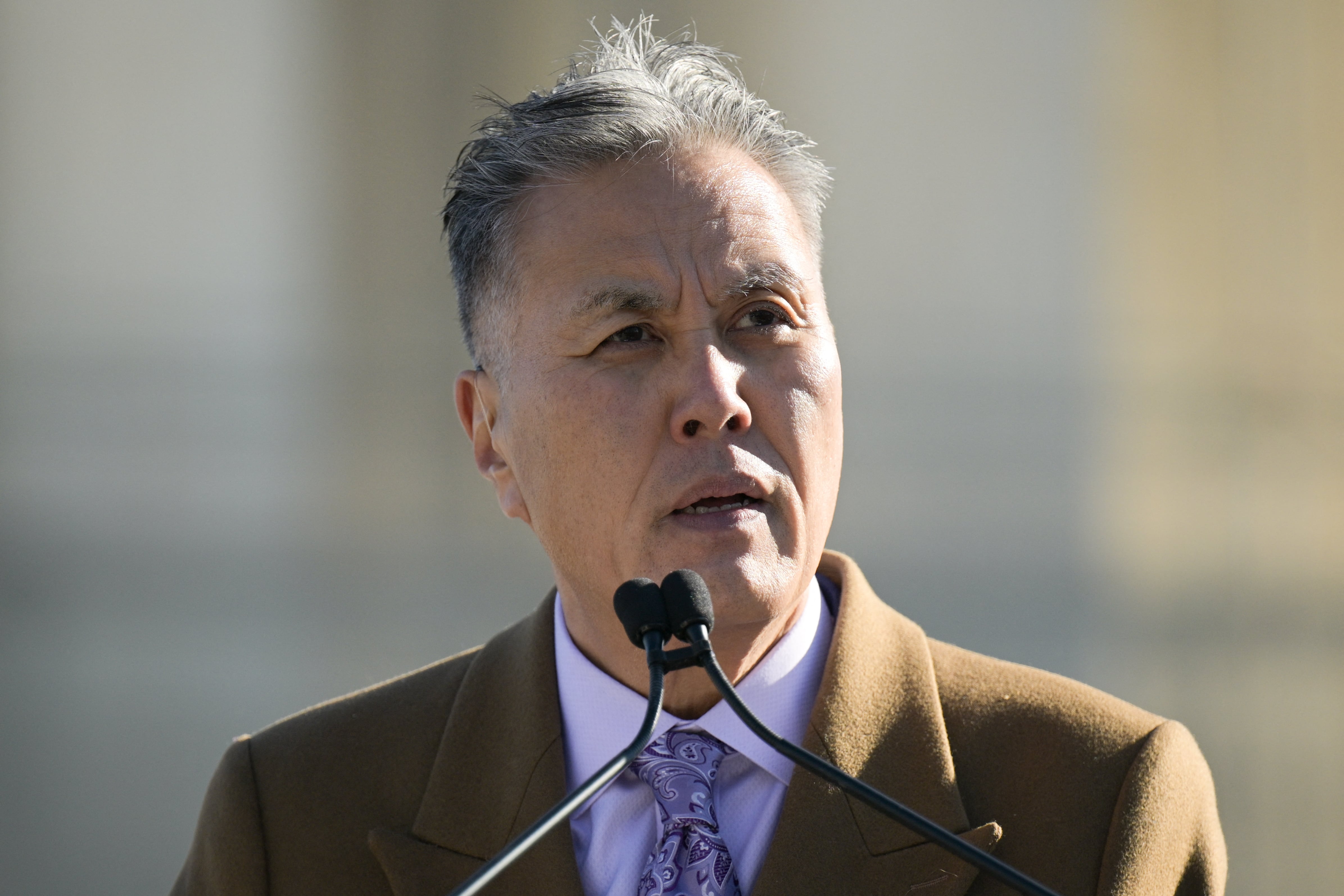
Rep. Mark Takano, D-Calif., ranking member on the House Veterans’ Affairs Committee, told Military Times on Wednesday that Congress should abandon the omnibus package and instead advance the Major Richard Star Act and other bipartisan veterans bills individually rather than risk losing them over the funding dispute.
“If Congress cannot reach agreement on the funding mechanism, I think we can pursue each of these provisions individually,” Takano said. “I believe the Major Richard Star Act would pass in a heartbeat.”
The conflicted legislation includes the Major Richard Star Act, and the Love Lives On Act, along with expanded caregiver support, survivor benefits, community care improvements, education reforms and mental health initiatives affecting millions of veterans, military families, caregivers and survivors.
While many of those measures have broad bipartisan support, disagreement over how to pay for them has become an immovable fencepost blocking forward movement of the package.
Moran defends omnibus strategy
Senate Veterans’ Affairs Committee Chairman Jerry Moran, R-Kan., defended the legislation, telling Military.com “It takes no benefit away from anyone who is receiving those benefits,” referring to veterans already receiving VA disability compensation for tinnitus or obstructive sleep apnea.
Moran said VA had already indicated it planned to update the disability rating criteria for those conditions and argued Congress should redirect the projected savings into veterans programs rather than allowing the money to return to the broader federal budget.
“If we don’t get out ahead of that business,” Moran said, “the reduction in spending … will not be used for veterans.”
Veterans of Foreign Wars National Commander Carol Whitmore has publicly rejected that approach. “When some suggest that veterans’ benefits are too expensive, let us be clear: This is the cost of war,” Whitmore said during a joint hearing of the House and Senate Veterans’ Affairs Committees.
Whitmore has argued that disability compensation reflects the actual cost of military service and has opposed using projected savings from future disability rating changes to finance new veterans benefits. Moran, by contrast, argues those projected savings should remain dedicated to veterans programs instead of returning to the Treasury.
Takano says bipartisan bills should move on their own
For Takano, the funding dispute should not determine the fate of legislation that has spent years building bipartisan support.
At the center is the Major Richard Star Act, which would allow certain combat-injured medically retired service members to receive both military retired pay and VA disability compensation without the dollar-for-dollar deduction. Even with broad bipartisan support, Congress has repeatedly failed to advance the bill because lawmakers have been unable to agree on a funding offset.
“We don’t need to know the pay-for at the outset,” Takano said. “That could be subject to negotiations.”
Asked what alternatives Congress should consider, Takano pointed to unobligated Department of Defense funding and other federal budget offsets.
Two paths forward for veterans legislation
The funding dispute has morphed into a massive debate over legislative strategy. Moran argues the omnibus gives Congress its best opportunity to enact one of the largest veterans legislative packages in years while preserving projected savings for veterans programs. Takano agrees many of the same bills should become law but argues they should not remain tied to a financing plan that has divided lawmakers and veterans organizations.
If Congress cannot reach agreement on the omnibus, lawmakers may face a choice: continue negotiating a single package or begin advancing many of the same bipartisan bills one measure at a time.
For Takano, the question is not whether Congress should expand veterans’ benefits. It is whether one group of veterans should shoulder the cost of another’s gains.
“All veterans have sacrificed. We shouldn’t be asking one group of veterans to sacrifice for the other.”