The U.S. Navy released summaries for four separate investigations into incidents that involved the USS Harry S. Truman between December 2024 and May 2025.
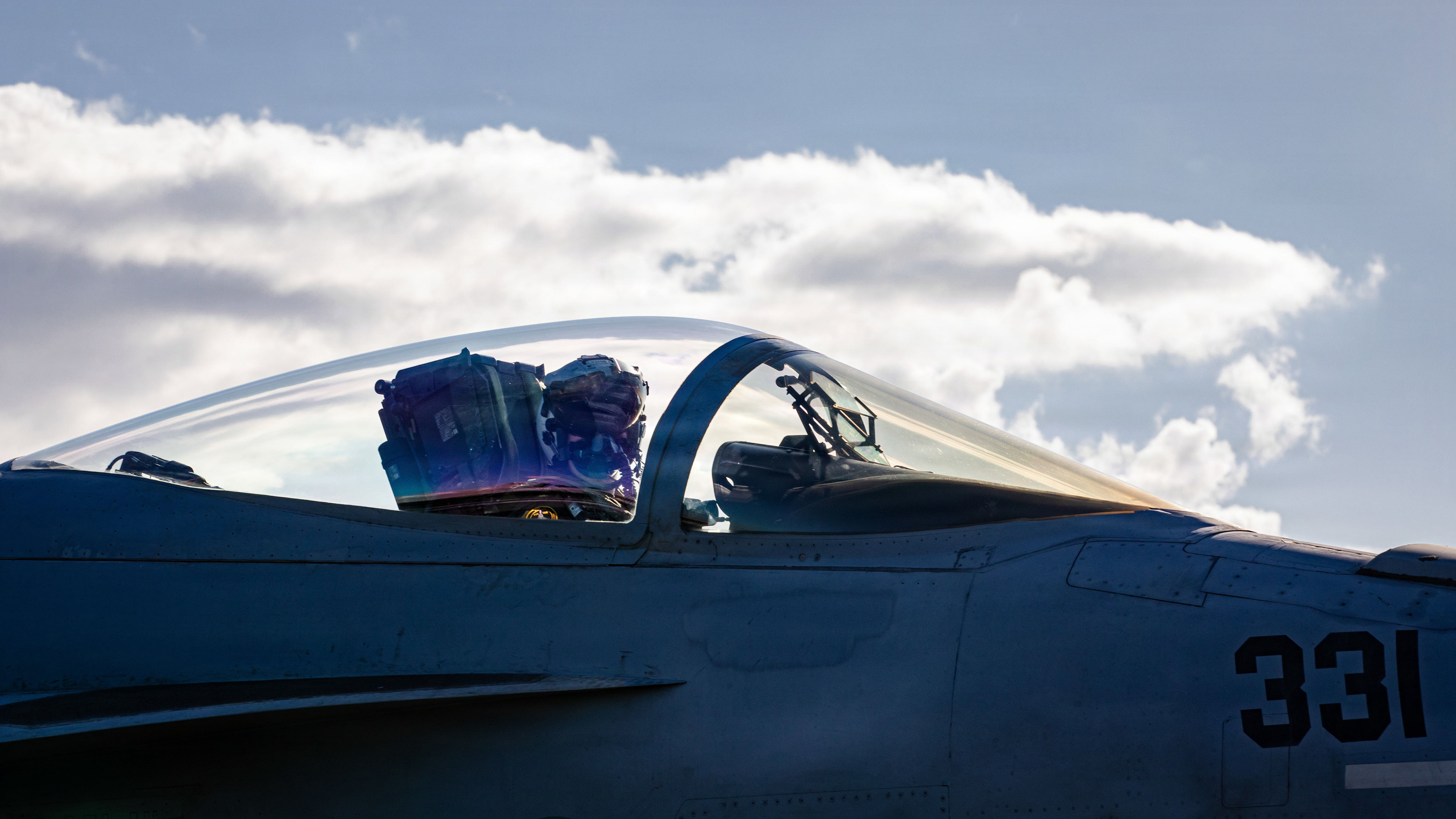
The investigation looked into the Truman’s collision with a merchant vessel, along with the loss of three F/A-18 Super Hornets.
“These investigations assessed underlying procedural compliance and standards and reviewed how a Carrier Strike Group prepares for and responds to adversity during combat operations,” the investigation summary read.
Vice Chief of Naval Operations Adm. James Kilby vowed that the service would learn from the incidents, especially in light of the investigation’s findings.
Kilby added that the Navy would continue to invest in its service members to ensure they were ready for future challenges.
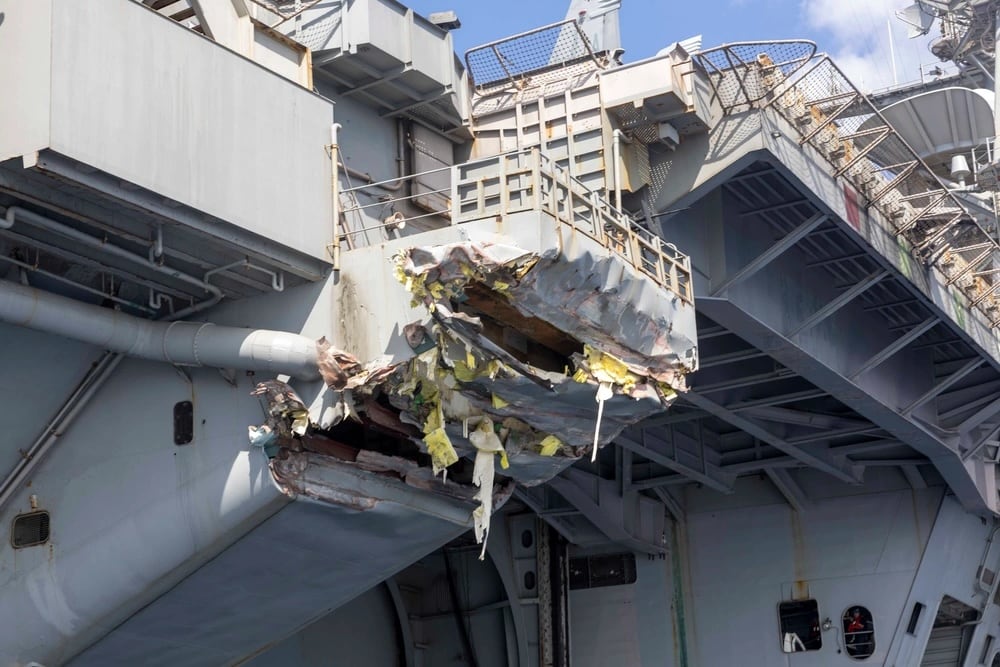
The USS Harry S. Truman collided with the merchant vessel Besiktas-M on Feb. 12 near Port Said, Egypt. No injuries or flooding were reported.
RELATED
Shortly after, the service relieved Capt. Dave Snowden, commanding officer of the USS Harry S. Truman, due to a loss of confidence in his ability to command.
The investigation found that the collision was avoidable and that the “carrier’s bridge team failed to safely navigate past the merchant vessel.”
Regarding the collision, the incident “could have caused catastrophic results,” the report concluded.
Between December 2024 and May 2025, the USS Harry S. Truman Carrier Strike Group was plagued with errors involving jets that each costs approximately $60 million.
The USS Gettysburg shot down an F/A-18F Super Hornet in December 2024 in an act of friendly fire, an F/A-18F Super Hornet attempting to land on the USS Harry S. Truman in May toppled overboard and an F/A-18E Super Hornet fighter jet fell off the hangar deck of the Truman in April.
The investigation found that the friendly fire incident resulted from misidentification that stemmed from a “lack of integrated training opportunities between USS Gettysburg and the Carrier Strike Group, lack of forceful backup on the cruiser, and lack of cohesion across the Carrier Strike Group.”
The April incident in which the jet and a tow tractor fell from Truman’s hangar bay occurred as a result of evasive maneuvers in response to an incoming ballistic missile in the Red Sea, the summary stated. The investigation attributed the jet’s loss to an aircraft brake system failure, as well as poor communication between the bridge, flight deck control and hangar bay control.
The investigation further found that the failed landing of an F/A-18 that forced two pilots to eject in May arose from a failure of the #4 arresting wire aboard Truman that resulted from “a malfunctioning #4 starboard sheave damper.”
The report also cited inadequate maintenance practices, low manning levels, limited knowledge, insufficient training, high operational tempo and combat conditions as catalysts for the incident.
Riley Ceder is a reporter at Military Times, where he covers breaking news, criminal justice, investigations, and cyber. He previously worked as an investigative practicum student at The Washington Post, where he contributed to the Abused by the Badge investigation.