An independent government watchdog found major issues in the way the U.S. Navy conducts fire safety prevention and contractor oversight for ships during maintenance periods.
Staffing shortages and ineffective tools for ensuring contractors comply with fire safety standards are the biggest hurdles for future fire risk aboard Navy ships, the Government Accountability Office warned in a Dec. 17 report.
Without addressing these issues, the service “risks creating an environment where unaccounted-for risks can accumulate in a manner that creates hazardous situations,” the report stated.
Between May 2008 and July 2020, there were 15 major fire incidents aboard Navy ships, thirteen of which occurred on those undergoing maintenance.
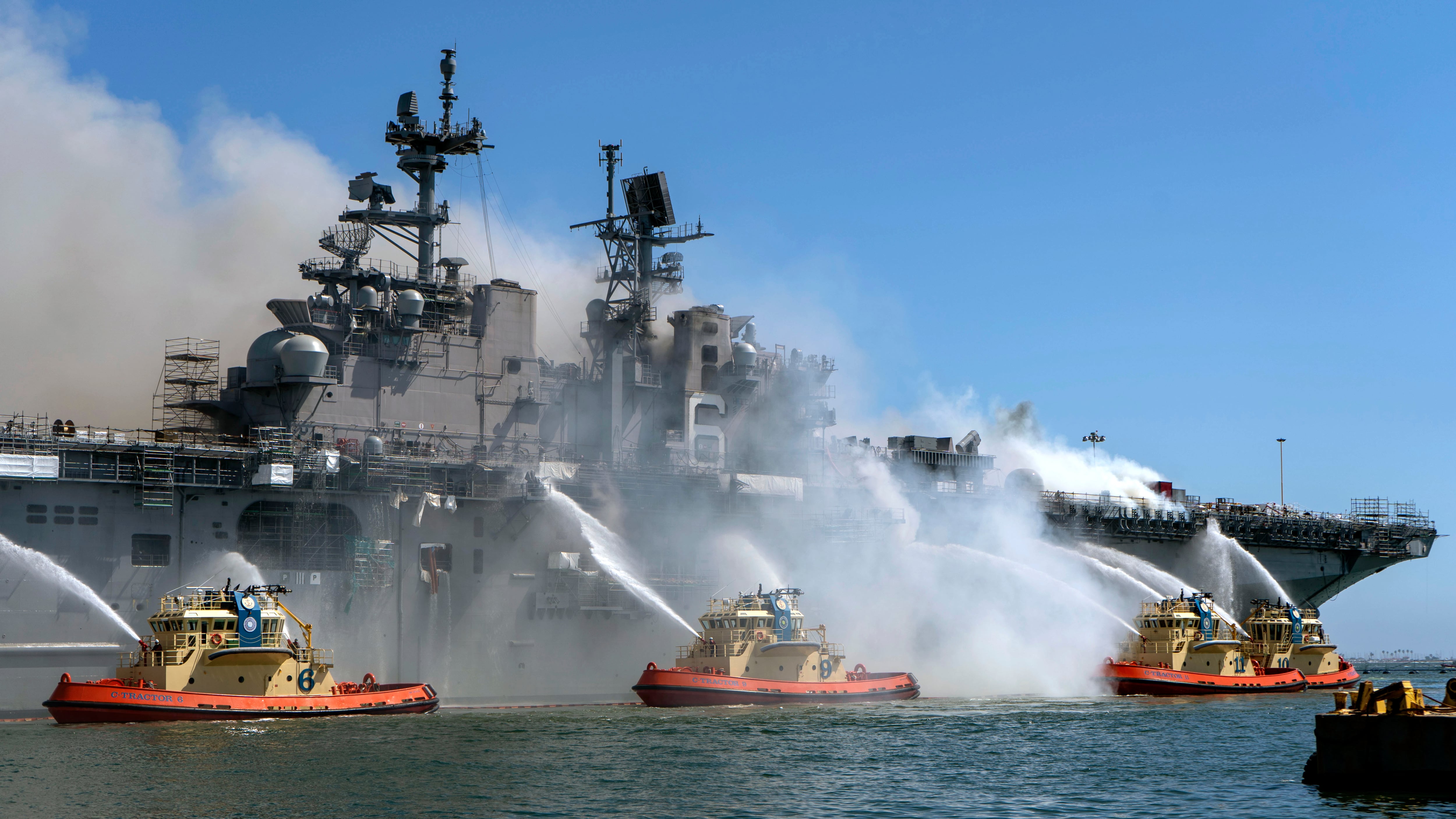
One of the worst fires occurred July 12, 2020, aboard the USS Bonhomme Richard, when 11 of the amphibious assault ship’s 14 decks caught fire. As a result of the damage, the vessel was retired 17 years earlier than planned and the Defense Department incurred billions of dollars in damage.
After the Bonhomme Richard fire, the Navy implemented changes that helped protect the service from future fires aboard vessels during maintenance, according to the report.
The Navy rewrote its 8010 Manual that addresses fire prevention during ship maintenance. The manual, which includes training requirements for fire safety officers and information on fire protection systems, was updated to include reformed fire safety requirements.
The service also revised NAVSEA Standard Items, a set of requirements inserted into ship maintenance contracts that outline safety standards.
The Navy began establishing 11 Commander, Naval Surface Groups to lead emergency management efforts during safety incidents, an effort that was previously fractured across multiple Navy organizations. The groups will develop emergency response plans and help ship crews understand fire regulations, among other jobs.
Further, the service published a new Fire Safety Assessment Program policy that allows Naval Surface Force, U.S. Pacific Fleet and Naval Surface Force Atlantic officials to inspect ships undergoing maintenance without providing notice beforehand.
Despite the evident strides in remediation, however, the Navy failed to address some glaring problems, GAO found.
RELATED
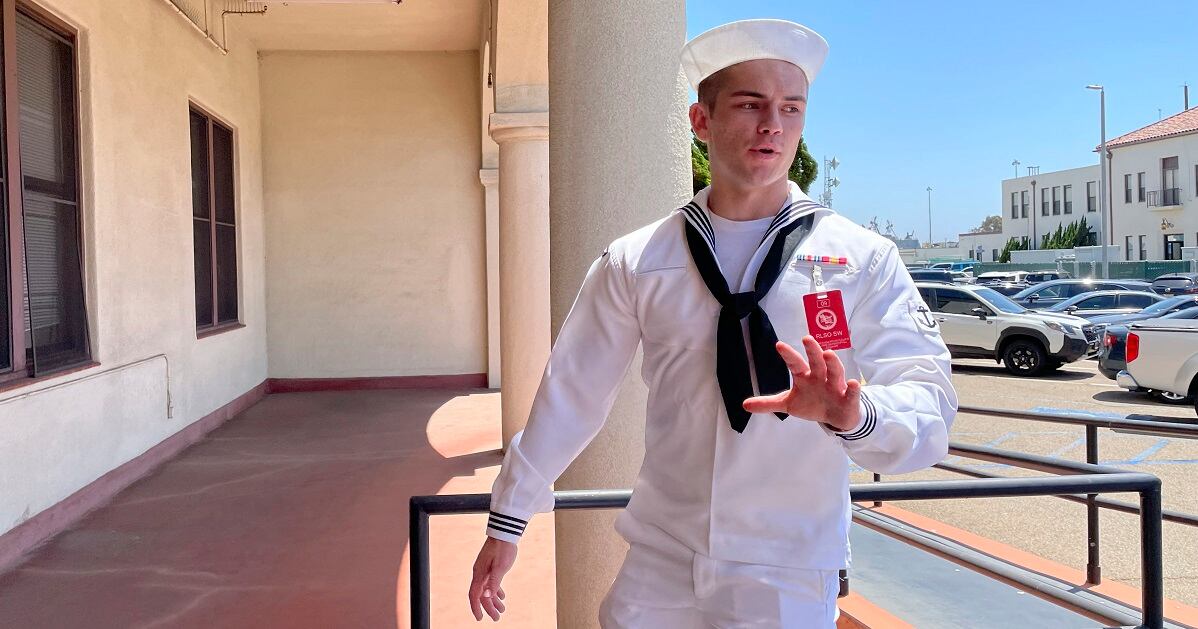
As part of its audit, GAO met with officials at Navy maintenance centers around the U.S. and observed staffing at Navy offices tasked with enforcing fire safety standards during ship maintenance periods. It also analyzed documents the Navy had given contractors that outlined fire safety compliance.
The watchdog found that staffing shortages among organizations specifically tasked with enforcing fire safety meant that there were fewer individuals to assist with prevention and emergency management during fire incidents.
A lack of staff at key organizations, including regional maintenance centers, meant there weren’t as many people to work outside normal business hours.
This was problematic since 11 of the 15 fire events that occurred since 2008 happened outside normal business hours, GAO said.
But filling the vacant roles isn’t so simple.
Defense Secretary Pete Hegseth issued a civilian workforce hiring freeze Feb. 28 and, as a result, DOD organizations tasked with fire prevention have experienced difficulty in hiring the number of staff they need, according to GAO.
The Navy requires fire safety officers for ship maintenance in fiscal 2026 and 2027, according to the report, but budget requests for those years don’t allot enough money to address the number of fire safety staff hires needed to ensure adequate safety during maintenance.
The Navy’s July 2021 Major Fires Review, which was conducted after the Bonhomme Richard fire, said that 11 of the 15 fire events it reviewed happened when there was reduced personnel during ship maintenance.
Because of a lack of civilian staff, the Navy has had to rely on Navy crews to address fire safety.
In addition to their full-time service duties, these crews have had to help ensure fire safety compliance.
The intervention of service members, however, doesn’t necessarily mean contractors will adequately comply.
A ship commanding officer told GAO that Navy crew members will inform contractors that they are not following fire safety standards, but that doesn’t mean contractors will listen.
Making sure they fix their mistakes requires fire safety officers from the regional maintenance centers, the GAO said, which there aren’t enough of because of staffing shortages.
The watchdog also found that the Navy’s enforcement tools for correcting contractors for their mistakes or noncompliance don’t yield the solutions needed.
The service can issue a corrective action request to a contractor, asking that they better comply with contractual requirements. And if enough requests are sent, the Navy can issue a letter of concern that points out specific instances of malfeasance and asks the contractor to respond with a plan of action to fix the issues.
But there are no monetary penalties for not complying with the request, which makes it difficult for the Navy to ensure contractors will correct their mistakes.
The Navy can also wield quality assurance surveillance plans, which set the ground rules for what specific aspects of the maintenance work can be assessed by the Navy to ensure everything is following contractual obligations.
But GAO found that the Navy doesn’t utilize these surveillance plans to assess fire safety compliance, a missed opportunity to shore up the service’s defense against fire incidents.
The Navy also currently pays contractors 99% of their owed payment during the maintenance period, and only withholds 1% of the payment until the work is completed.
This reduces the amount of recourse if a contractor doesn’t comply with standards outlined in the contract.
Lastly, ship contractors don’t face as much financial liability in the event of a fire as they potentially should, according to the report, because of a DOD clause that stipulates the government will cover the majority of the cost if damage occurs to Navy vessels during ship maintenance. This creates an environment of unequal risk sharing, GAO found.
To address the myriad issues, GAO recommended that Navy Secretary John Phelan create a mechanism to maximize resources for fire safety oversight. It also tasked the Navy’s Learning to Action Board, which helps implement corrective actions from reviews and investigations, with focusing more on contractor fire safety compliance.
The watchdog also directed the service to improve the corrective action request process, update the service’s quality assurance surveillance plan to include fire safety performance standards, examine changing the payment process for contractors and reassess the limitation of liability clause for contractors.
Riley Ceder is a reporter at Military Times, where he covers breaking news, criminal justice, investigations, and cyber. He previously worked as an investigative practicum student at The Washington Post, where he contributed to the Abused by the Badge investigation.