As the Air Force's medical benefit mix-up continued into at least its fourth week, frustration built among affected separated airmen.
And it remains unclear what will happen to former airmen who have already used Tricare benefits, and who now fear they may be stuck with a bill.
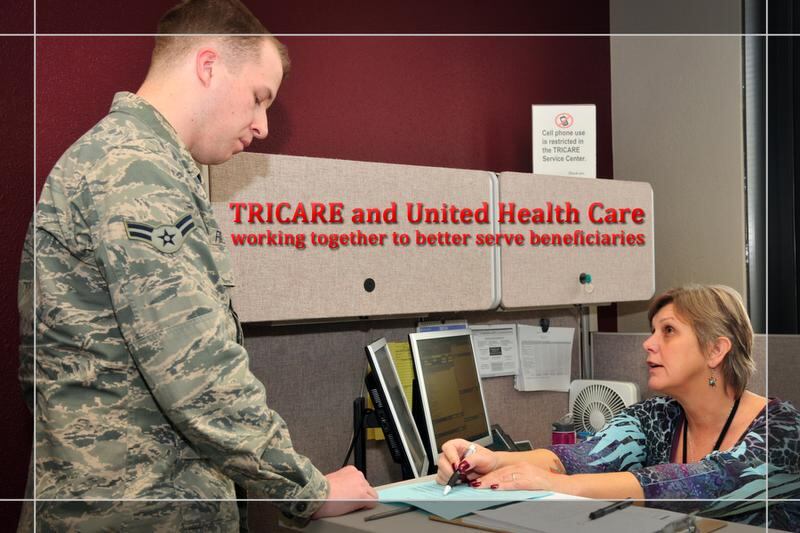
The Air Force mistakenly issued six months of extended Tricare benefits to more than 1,000 voluntarily separating airmen earlier this year — about a quarter of those leaving under the Voluntary Separation Pay program — because some Air Force installations did not correctly update those airmen's statuses in the Defense Enrollment Eligibility Reporting System. Several airmen said they received incorrect and contradictory information in briefings that led them to believe they were eligible for Transition Assistance Management Program benefits, which include 180 days of transitional Tricare medical coverage. In fact, involuntarily separating airmen are not eligible for TAMP.
The Air Force first acknowledged the problem Oct. 8 and said it is researching the problem and "will issue guidance to ensure airmen and families are not unfairly impacted." The Air Force's last statement on the issue came Oct. 16, when it said its approach "is to work directly with impacted airmen and their chain of command prior to issuing general public guidance."
The Air Force did not respond by press time to Air Force Times' request for an update on its efforts to fix the problem.
As of Oct. 23, three airmen who have been affected said they haven't yet heard anything from the Air Force.
"Nothing or no one has reached out to me about my coverage being taken away due to [an Air Force] mishap," said Jonathan, a separated airman who asked for his last name not to be printed. His only source of information is "just what has been floating around the Internet."
Another airman — a major who separated Sept. 29 and asked for his name not to be printed because he is now a reservist — said he hasn't been contacted by any Air Force official to say they were trying to fix the problem. The only thing he's heard from the Air Force was from the inspector general's office, letting him know that they received his complaint.
The separated major is growing increasingly impatient with the lack of a speedy resolution to the problem, because the clock is ticking. If he does not get the extended medical benefits, the major is ready to pay out-of-pocket for 180 days of extended Tricare coverage. He has 60 days from his separation date — until the end of November — to mail in his out-of-pocket premium for Tricare and backdate his coverage. But he doesn't want to do that before he gets the final word on his TAMP benefits, because paying out-of-pocket would be expensive.
"We're standing by to stand by," the major said. "They're dragging their feet. The fact that I haven't been contacted, from a customer service standpoint, is frustrating."
If the major pays for out-of-pocket coverage, and then the Air Force decides to honor the separated airmen's Tricare coverage, he said it will put him and other airmen "on the defensive" by making them recover those costs from the military's bureaucracy. And that will be much more difficult, he said.
"If they drag this further, it will rapidly turn the burden of proof on us," he said.
A defense official, who asked not to be named, said the Air Force has two options to resolve matters. The service could eat the costs itself and pay for already-used Tricare benefits out of an emergency and extraordinary expenses fund. That would require approval from Air Force Secretary Deborah Lee James. Or the Air Force could recoup the costs by billing the separated airmen, the official said.
Some separated airmen have already used their Tricare benefits — extensively — and are dreading the prospect of such a bill.
Jonathan said he separated May 31 and received a card granting him, his wife and his daughter six months of Tricare coverage. His family used those benefits for two emergency room visits — one for him, and one for his daughter — a physical for his daughter, allergy testing for his entire family, exams for minor illnesses, and some specialist appointments for his wife.
"If [I] end up getting stuck with a bill from Tricare if they go back on coverage, I am more than a little screwed," Jonathan said in an email. "It's just upsetting that we were told one thing, and not after the fact the AF is (or may be) backing out of their word. So much for the AF Core Values."
Jonathan said that if he gets a bill for his Tricare benefits, he plans to consult an attorney.
"If they made the mistake and not me, why do I have to pay for it?" Jonathan said. "Times are hard enough as is, and now this."
Tricare referred inquiries to the Air Force.
One part of the Air Force's Oct. 16 statement — that the force management process is complex and "it would be unrealistic to expect perfection" — has rankled some airmen. The major said he was offended when he read that quote.
"You gotta be kidding me," the major said. "We don't expect perfection, but we do expect due diligence and the basics of good staff work. It's just sloppy, all around."
Stephen Losey is the air warfare reporter for Defense News. He previously covered leadership and personnel issues at Air Force Times, and the Pentagon, special operations and air warfare at Military.com. He has traveled to the Middle East to cover U.S. Air Force operations.