The U.S. Navy has established a naval support activity in Western Australia, the service announced, the latest move designed to enhance security cooperation between Australia, the United Kingdom and the United States.
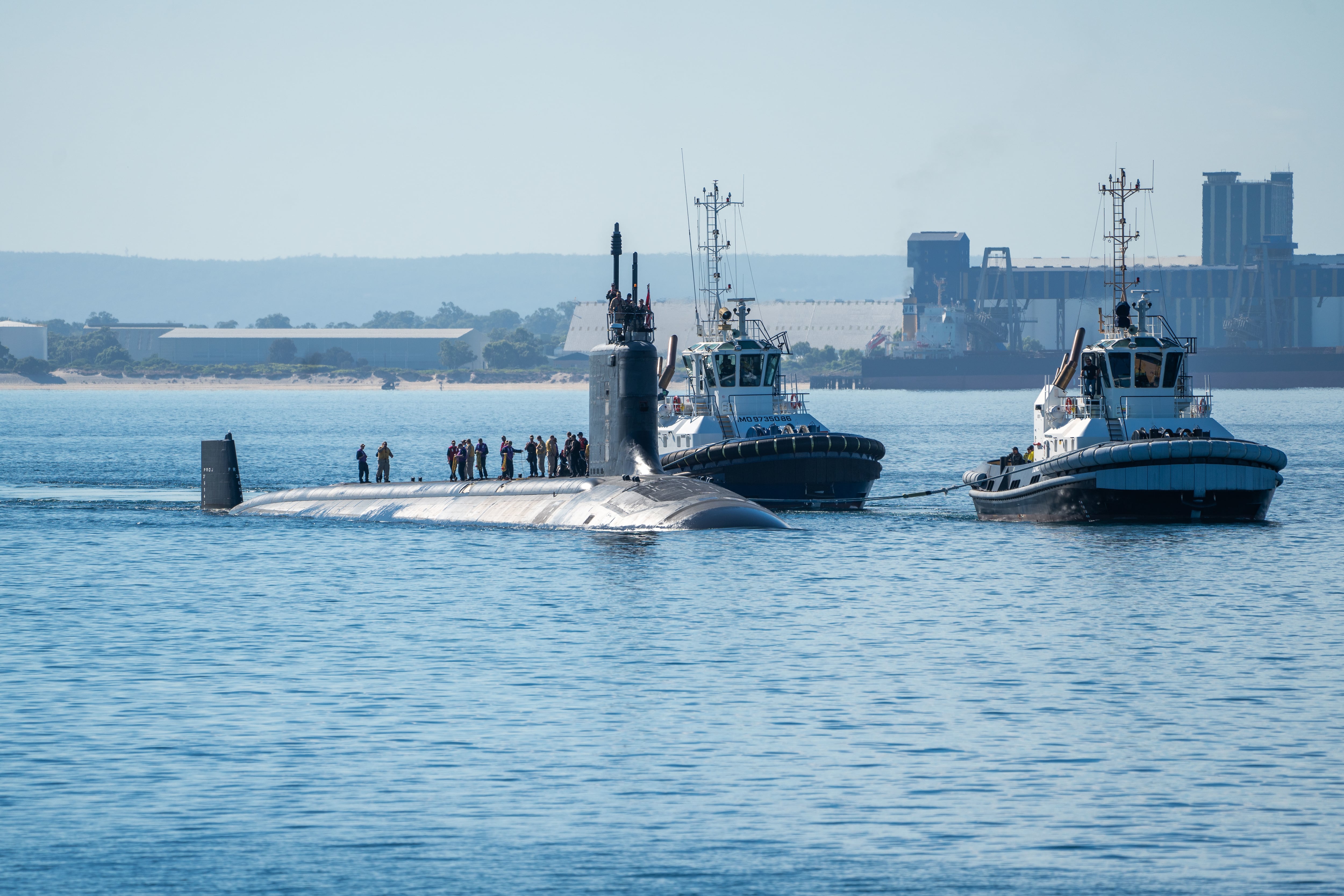
Stood up on May 30, NSA Stirling — part of the Pillar I segment of the trilateral AUKUS pact — will provide “services and programs for U.S. service members, civilian personnel, contractors and their families” assigned to Submarine Rotational Force–West, according to a service release.
Expected to be fully operational in 2027, SRF-West will support a rotation of U.S. and British nuclear-powered fast attack submarines aboard Australia’s HMAS Stirling installation near Perth.
The detachment is expected to assist submarine deployments by enabling expanded maintenance options and sustainment infrastructure in the region.
“Establishment of NSA Stirling with our AUKUS partners demonstrates our command mission to support the fleet, warfighter and family,” Vice Adm. Scott Gray, commander of Navy Installations Command, said in the release. “By providing essential services to U.S. personnel and their families, NSA Stirling will enhance rotational submarine force readiness.”
The first U.S. personnel assigned to SRF-West are expected to begin rotating through HMAS Stirling in late 2026, according to a May 30 Pentagon release.
The U.K. has also committed to a rotational presence with SRF-West.
“We are currently in the early stages of establishing NSA Stirling,” said Rear Adm. Ian Johnson, commander of Navy Region Japan, which began the process of standing up NSA Stirling in October 2024. “While there is still much work ahead, we are confident in our ability to accomplish this task through strong collaboration with our AUKUS partners.”
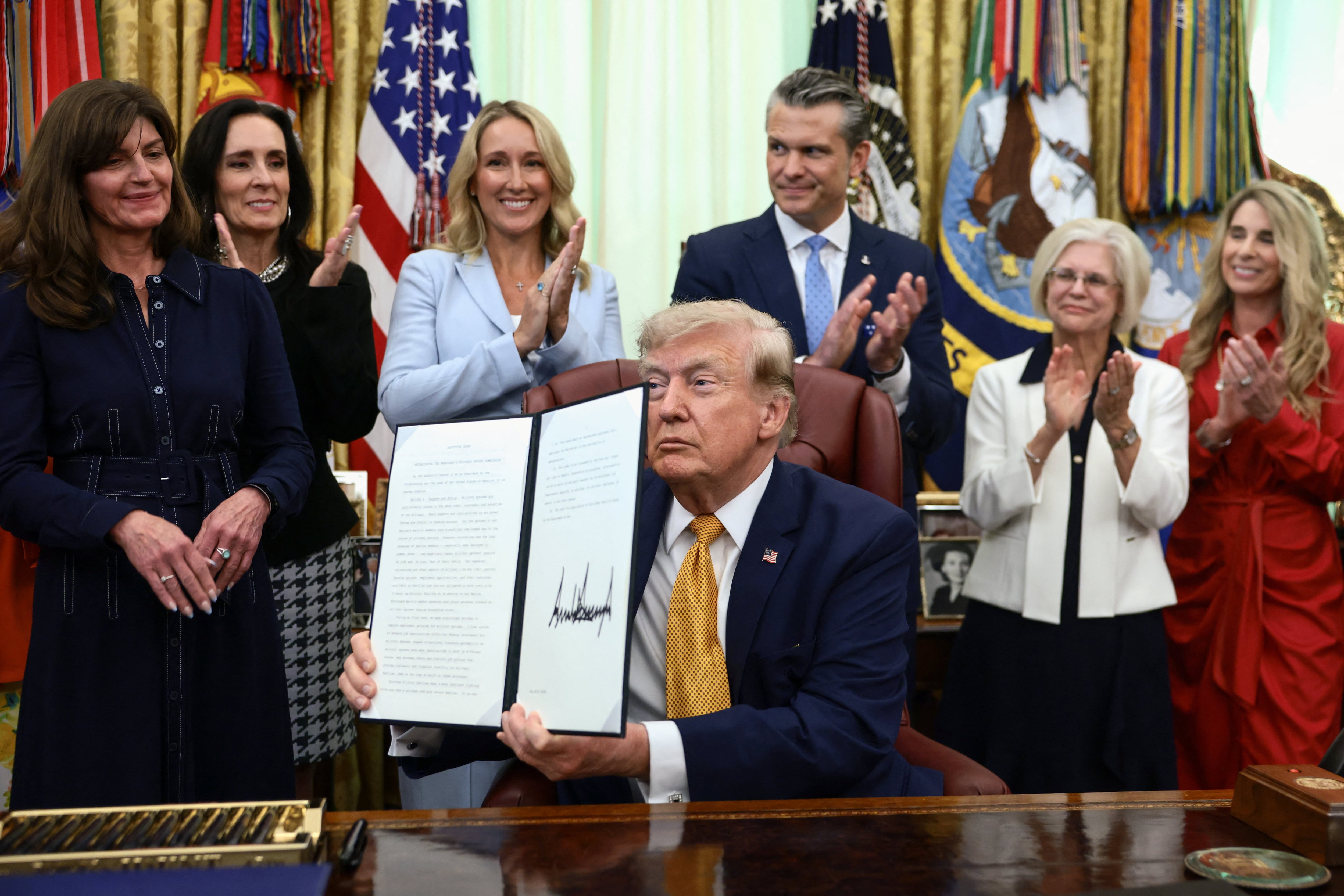
The NSA activation, meanwhile, came as U.S. Defense Secretary Pete Hegseth attended a May 30 meeting at the U.S. embassy in Singapore alongside Australian Deputy Prime Minister and Minister for Defense Richard Marles and U.K. Secretary of State for Defense John Healey.
The three officials affirmed key AUKUS milestones continue to be met on schedule, with Australia on track to acquire a conventionally armed, nuclear-powered submarine in the coming years.
The Singapore meeting also yielded the announcement of the first signature project of Pillar II of the AUKUS agreement, which will focus on developing — and delivering, starting in 2027 — cutting-edge tech for uncrewed undersea vehicles, or UUVs.
“This project is intended to significantly enhance AUKUS partners’ ability to protect critical national seabed infrastructure; deploy cutting edge surveillance, reconnaissance, and strike capabilities; conduct logistics operations; and bolster superiority in anti-submarine and anti-surface warfare, mine countermeasures, electronic warfare and contested littoral maneuver,” the Pentagon release stated.
J.D. Simkins is Editor-in-Chief of Military Times and Defense News, and a Marine Corps veteran of the Iraq War.