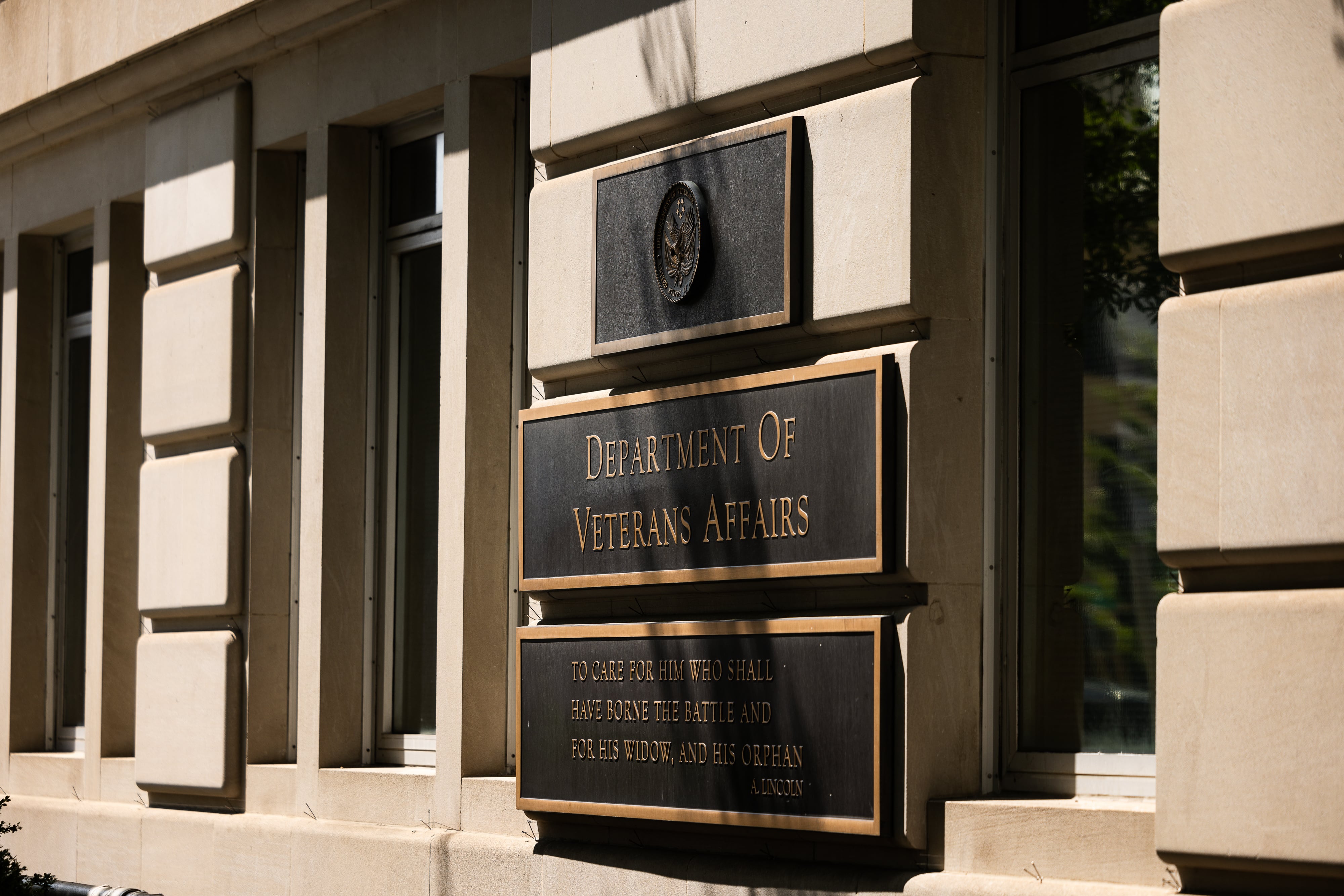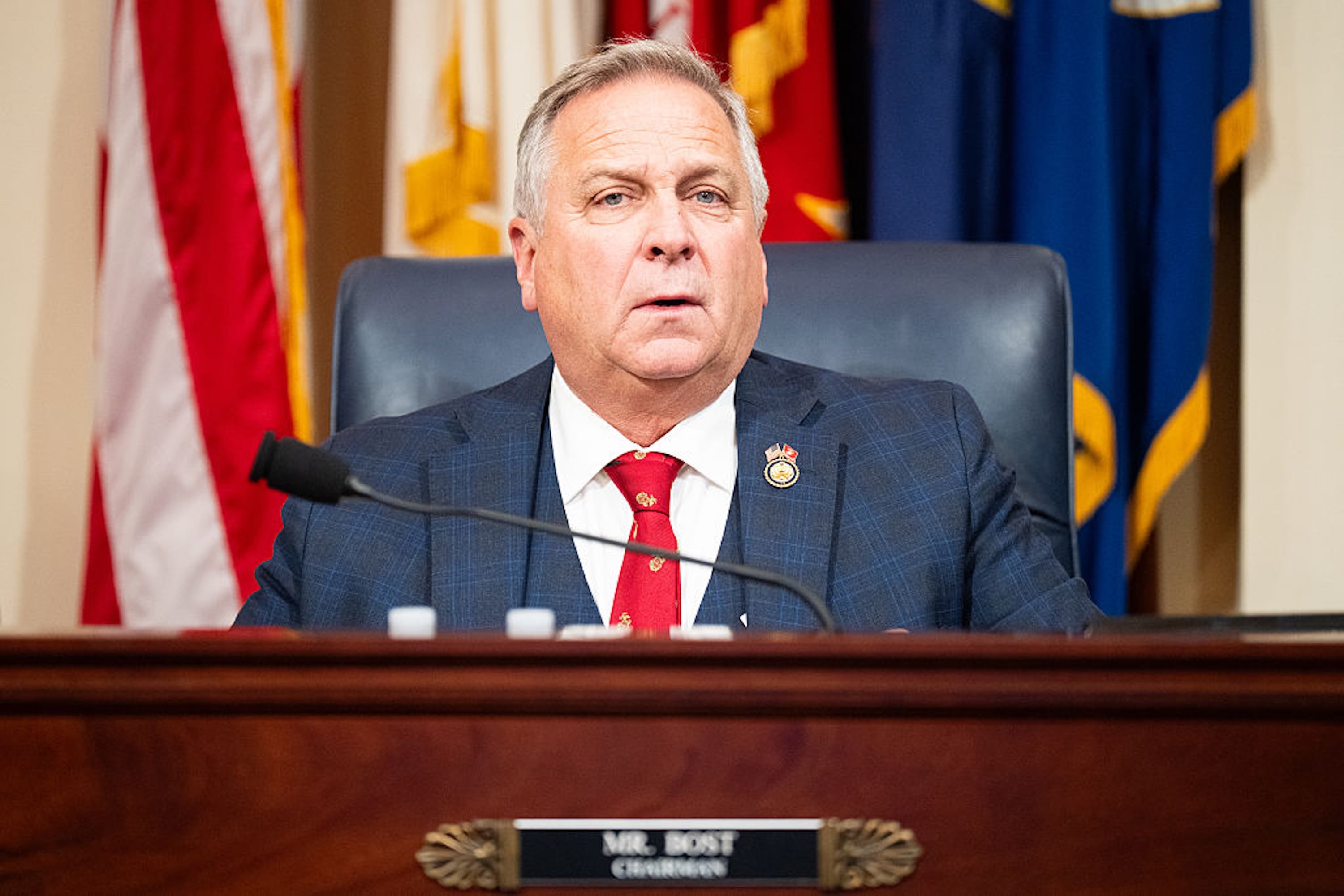
The chairman of the House Veterans Affairs Committee wants to develop a “must-pass” authorization bill process for the Department of Veterans Affairs similar to the legislative procedure used to approve the National Defense Authorization Act.
Rep. Mike Bost, R-Ill., kicked off a series of hearings Wednesday on legislation that would reauthorize several significant VA programs and said he wants to create a comprehensive authorization process — an omnibus-style procedure — that would ensure a yearly legislative review of all VA programs, some of which have not been reauthorized for 30 years.
Bost said such oversight is needed to ensure that the VA remains accountable to its customers, taxpayers and Congress.
“When programs fall short, it is the duty of this committee to ask questions, demand answers and make the legislative changes necessary to fix the problem,” Bost said. “Reauthorization is not simply a procedural exercise. It is how Congress evaluates whether programs are working as intended and whether the department is using its authorities responsibly.”
Last year, the Congressional Budget Office identified more than $122 billion in expenditures at the department with lapsed authorizations. According to the office, Congress has allowed 18 authorization laws — those that set policy and recommend funding levels — for the VA to expire.
Bost said the committee needs to tackle reauthorization to ensure that Congress has “the means to modernize [the] VA.”
“[These bills] are designed to restore accountability, improve transparency and ensure that VA remains focused on veterans,” Bost said.
Since the start of the second Trump administration, members of Congress have complained that the VA has become significantly less responsive to congressional inquiries and oversight. During a hearing in January, Bost scolded VA officials for repeated delays in providing responses and testimony to Congress, saying he considered preventing the department from testifying given its lack of timeliness.
Likewise, at the same hearing, the committee’s ranking Democrat, Rep. Mark Takano of California, said the delays showed “enormous disrespect.”
“It is inexcusable. This should never happen again,” Takano said. “Get your testimony here on time, especially when we’re reviewing $1 trillion [in spending].”
Bost has discussed creating a single authorization bill for the VA since last year, sharing his vision first with Politico Pro.
While none of the 27 bills considered Wednesday was a comprehensive authorization proposal, the collection featured several prioritized by House Republicans for review, including bills that address the VA’s restructuring of its health care system, evaluation of the VA’s national drug formulary and reforms of its leasing and construction and contracting and procurement process.
“The goal is simple: better coordination, stronger accountability and better outcomes for veterans,” Bost said.
For the NDAA, House and Senate Armed Services subcommittee members draft portions of the separate bills for their areas of interest, then vote and move their section along to the full committee for consideration. At each step, lawmakers can propose amendments, which are then voted on by committee and either rolled into the bill or rejected. Eventually, the bills are voted on by the respective chambers, and the versions are reconciled in conference before both are passed again. The final bill is then sent to the president’s desk for signing.
For the VA, the authorization process has been piecemeal, with lawmakers proposing policy bills as they see need. For example, other bills proposed Wednesday included legislation that would expand dental care to all veterans in the VA health system and create a Toxic Exposure Advisory Committee to support implementation of the PACT Act.
VA officials at the hearing said that while they “strongly support congressional oversight and engagement,” the department has concerns on comprehensive legislation, saying it “could cause serious disruption to VA benefits and services.”
“VA believes that a clear accounting of programs and services could be achieved through additional avenues such as additional requests for information, briefing request, additional oversight hearings or requiring additional justification materials,” said Phil Christy, the VA’s chief acquisition officer.
During the hearing, Takano said he wasn’t sure that the NDAA strategy would work but added that he is “certainly willing to try.”
“I welcome an effort by this chamber by our House and by this committee to reclaim its authorities and reaffirm our Article I powers by doing the real oversight the VA so desperately needs,” said Takano, referring to the portion of the Constitution that established Congress and gave it the powers to create laws, raise revenue and declare war.
Bost noted that committee oversight is a constitutional responsibility and VA must be accountable.
“It is a task … not an ask,” Bost said.
Patricia Kime is a senior writer covering military and veterans health care, medicine and personnel issues.